Sponsored article
Comparison of materials used in cassock production: durability and comfort
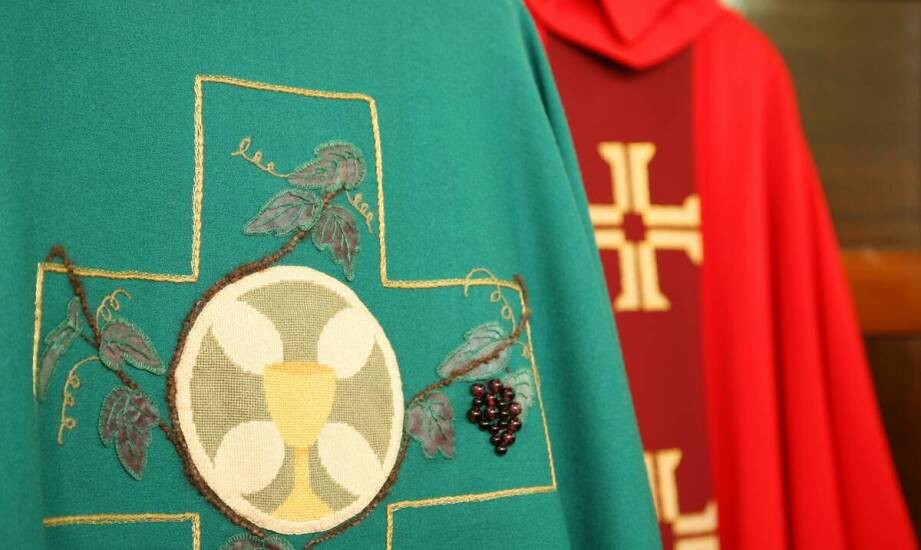
The choice of material in clerical clothing is not a matter of aesthetics but of utility parameters, durability, and comfort during extended wear. Differences between pure wool and a blend of wool with synthetic fibers translate into resistance to creases, color stability, breathability, and ease of care. The right decision impacts daily comfort and the long-term quality of the attire. Familiarize yourself with the material comparison and choose the solution that best meets your operational requirements and performance standards.
What materials are cassocks made of, and which solution ensures greater durability?
The tailoring process mainly uses 100% wool fabrics and blends of wool with polyester, usually in a 45% to 55% ratio. Every cassock designed for long-term use requires a material resistant to abrasion, deformation, and color loss. Pure wool provides natural breathability, thermal stability, and an elegant fabric layout, which is significant for long hours of wear during pastoral activities. On the other hand, the addition of synthetic fibers strengthens the material structure, improves crease resistance, and facilitates care, which translates into higher mechanical durability and greater resistance to intensive use. The choice of raw material determines not only aesthetics but also the long-term functionality of liturgical clothing.
How do manufacturers ensure comfort and quality of finish?
Professional workshops, including Ars Sacra, focus on the careful selection of fabric weight, precise cutting, and solid finish of structural details. High-class projects consider strong stitching, durable edge trimming, and securely attached buttons, significantly reducing the risk of damage during daily use. User comfort also depends on the proper fit to the figure; hence, in practice, individual measurements and structural adjustments are applied. An essential role is played by the color stability of fabrics and resistance to repeated cleaning, which influence the retention of a representative appearance for an extended period.
Which solution is best suited for the daily use of clergy?
The purchasing decision should consider the nature of the ministry, the intensity of wear, and the expected level of comfort. A pure wool variant will be suitable where maximum breathability and natural thermal insulation properties are a priority, especially in environments with variable temperatures. A blend of wool with polyester will be beneficial in situations requiring increased resistance to creases, greater fabric resilience, and easier care. The final choice should be based on an analysis of durability, ergonomics, and aesthetics, as it is this combination of elements that determines the real utility value and comfort of long-term wear of clerical attire.
Key takeaways from the comparison of materials used in cassock production
The comparison of fabrics used shows that the quality of a cassock starts with the proper selection of raw materials, which determines wearing comfort, resistance to wear, and aesthetics over the years. Pure wool ensures natural breathability and thermal stability, while blends of wool with polyester enhance structural durability and facilitate daily care. The next stage impacting utility is the precision of cut and quality of finish, including solid stitching, durable fastenings, and color stability. A comprehensive assessment of material, sewing technology, and intended use allows for a rational choice that combines functionality, comfort, and long-term value of clerical clothing.
You might be interested

The Role of the Digital Services Act in Their Regulation
What are the modern trends in designing PVC bar mats?

Home Smoking in the Garden—How to Utilize the Potential of Outdoor Space?